
Knowledge SuperBox
Cord Cutting Report 2026: Prices & Streaming Trends





Cord cutting in 2026 is no longer just about canceling traditional cable TV; it is an active rebellion against rising monthly subscription costs, fragmented sports broadcasting, and confusing app interfaces. While millions of American and Canadian households initially cut the cord to escape two-hundred-dollar cable bills, many find themselves paying over one hundred fifty dollars every month for multiple streaming tiers that constantly raise prices and add commercial interruptions.
The newest forecasts show households moving away from recurring digital subscriptions toward high-performance, standalone Android TV hardware that unifies live broadcasting, news, and 7-day replay with zero monthly fees. At SuperBox TV Box Store, our team monitors these industry shifts daily to help families regain financial sanity and discover practical, long-term entertainment freedom.
The Cord-Cutting Landscape in 2026: An In-Depth Market Analysis
Over the past five years, the cord-cutting movement transitioned from an experimental trend into the dominant entertainment model for North American households. Traditional pay-TV providers, including legacy cable operators and satellite networks, have lost tens of millions of subscribers as consumers reject rigid multi-year contracts, mandatory installation appointments, and hidden equipment rental fees.
However, the promise of affordable early streaming has dramatically transformed. When standalone streaming platforms first emerged, consumers celebrated the ability to subscribe to two or three targeted services for less than thirty dollars each month. Today, the landscape is heavily commercialized, with major media conglomerates raising their baseline subscription prices nearly every nine to twelve months while simultaneously inserting mandatory advertising into previously ad-free standard plans.
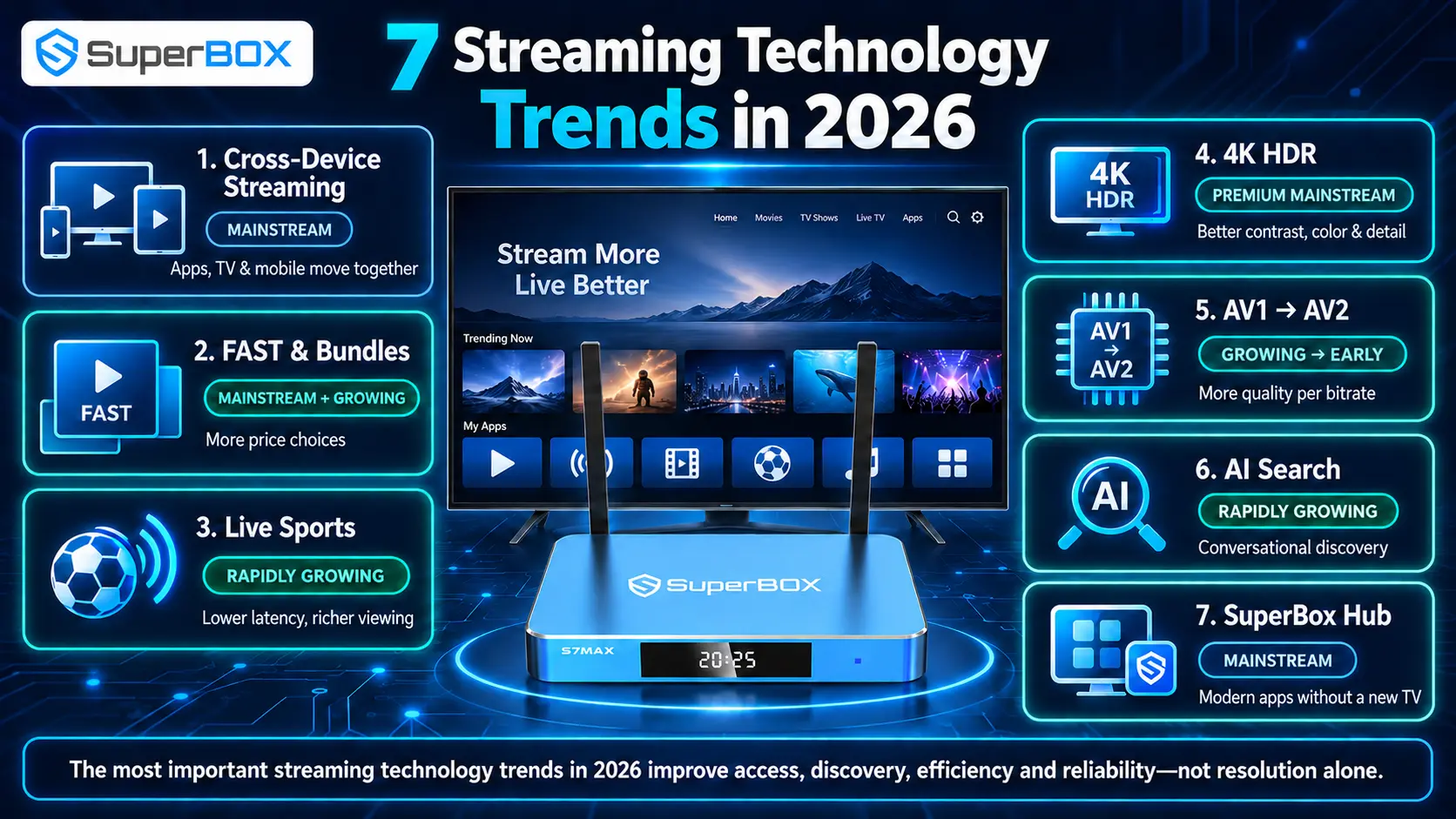
Several critical market pressures now define the modern cord-cutting experience:
- Accelerated Pay-TV Abandonment: Independent research estimates that fewer than forty percent of occupied US and Canadian households will maintain traditional linear cable subscriptions by the end of 2026.
- The Onset of Streaming Fatigue: The average family now manages five to seven different entertainment accounts, requiring multiple passwords, separate credit card statements, and frequent menu juggling.
- Commercial Infiltration: Standard subscription tiers that formerly guaranteed ad-free playback now include four to six minutes of unskippable commercial interruptions per hour.
- Hardware Ownership as the New Financial Anchor: Viewers are increasingly investing in durable, high-speed Android TV hardware that consolidates live television and video-on-demand without recurring fees.
This rapid market evolution demonstrates that consumers do not want to abandon television; they simply want a clean, unified viewing experience without paying hundreds of dollars in perpetual monthly bills.
Household Entertainment Cost Forecast: Cable vs Streaming vs Standalone Hardware
To understand why so many families feel overwhelmed by modern home entertainment expenses, it is essential to analyze the real five-year cost trajectory across different viewing models. Traditional cable bills rarely consist of the advertised promotional rate. By the time operators tack on regional sports network surcharges, broadcast television fees, franchise taxes, and ten-to-twenty-dollar monthly box rental fees for each television set in the home, the final bill regularly exceeds two hundred dollars each month.
Meanwhile, households that attempted to replace cable by bundling paid live streaming services with standalone movie and drama platforms have encountered their own price shock. Live streaming packages that started at thirty-five dollars per month now exceed eighty dollars before adding taxes, regional sports add-ons, or unlimited cloud DVR recording hours.
The comprehensive cost forecast below tracks the cumulative expenses of a typical two-television household over a five-year period from 2022 through 2026:
When examining five-year cumulative expenditures, the financial contrast is staggering. A household maintaining a conventional cable bundle spends upwards of twelve thousand dollars, while a family stacking multiple live streaming apps spends over seven thousand dollars. In comparison, purchasing a reliable standalone Android TV box like the SuperBox S8 series incurs a single, one-time investment that saves thousands of dollars over the lifespan of the equipment.
The Five Dominant Streaming and Cord-Cutting Trends for 2026
Trend 1: Sports Rights Fragmentation and the Search for Unified Channels
The biggest frustration expressed by modern sports fans is that games are no longer found in one predictable place. Major professional leagues have fractured their broadcast rights across dozens of platforms: Sunday football games might air on standard networks, Thursday matchups require separate commercial apps, and regional baseball or hockey games are locked behind specialized regional fees.
In response, cord cutters in 2026 prioritize hardware platforms that integrate full sports schedules into a unified electronic program guide. Solutions like the Blue TV application on SuperBox provide direct access to major national and international sports broadcasts in one clean menu, eliminating the need to launch multiple separate apps just to find kickoff.
Trend 2: The Backlash Against Constant Subscription Price Creep
Between 2022 and 2026, virtually every major streaming service raised prices multiple times. At the same time, platforms introduced restrictive password-sharing policies that block family members from sharing accounts across college dorms or vacation homes. This continuous nickel-and-diming has generated substantial consumer backlash.
Instead of paying twelve separate ten-dollar bills every thirty days, consumers are seeking out hardware solutions that deliver ongoing entertainment value without monthly billing cycles. The zero-subscription model of SuperBox continues to gain widespread traction across North America because it provides financial predictability.
Trend 3: Rejection of Set-Top Box Rentals and Hidden Fees
For years, cable companies quietly generated billions of dollars in pure profit by charging subscribers monthly equipment rental fees for basic decoder boxes. If a home has three televisions, paying fifteen dollars per box adds forty-five dollars in pure rental expenses before watching a single minute of programming.
The 2026 trend firmly favors outright hardware ownership. Modern consumers prefer purchasing their own high-speed streaming consoles outright, just as they purchase their smartphones, computers, and smart televisions. Once purchased, the hardware belongs permanently to the consumer.
Trend 4: The Demand for Simplified, Senior-Friendly Interfaces
Modern smart televisions are frequently bogged down by clunky operating systems, slow responsive navigation, and home screens cluttered with paid advertising tiles. For older adults, seniors, and busy parents, navigating twenty different streaming apps with distinct login passwords has become an exercise in frustration.
Viewers in 2026 crave simplicity: a television that powers on instantly, a physical remote control with tactile buttons, and a clean channel guide where pressing a number or arrow key immediately changes the channel. Devices that offer a traditional cable-like feel with modern internet efficiency are experiencing strong demand.
Trend 5: Next-Generation Home Networking with Wi-Fi 6 and Gigabit Ethernet
As 4K Ultra High Definition streams and multi-screen sports modes become mainstream, the underlying hardware inside TV boxes must keep pace. Older streaming sticks equipped with weak 2.4GHz wireless chips frequently suffer from buffering, lag, and audio desynchronization during major live events.
In 2026, dual-band Wi-Fi 6 wireless antennas and physical 1000Mbps Gigabit Ethernet ports have become mandatory standards for reliable streaming. Hardware that supports these robust networking protocols ensures that video streams start immediately and maintain pristine picture clarity regardless of other internet activity in the home.
Step-by-Step Cord-Cutting Transition Roadmap for 2026
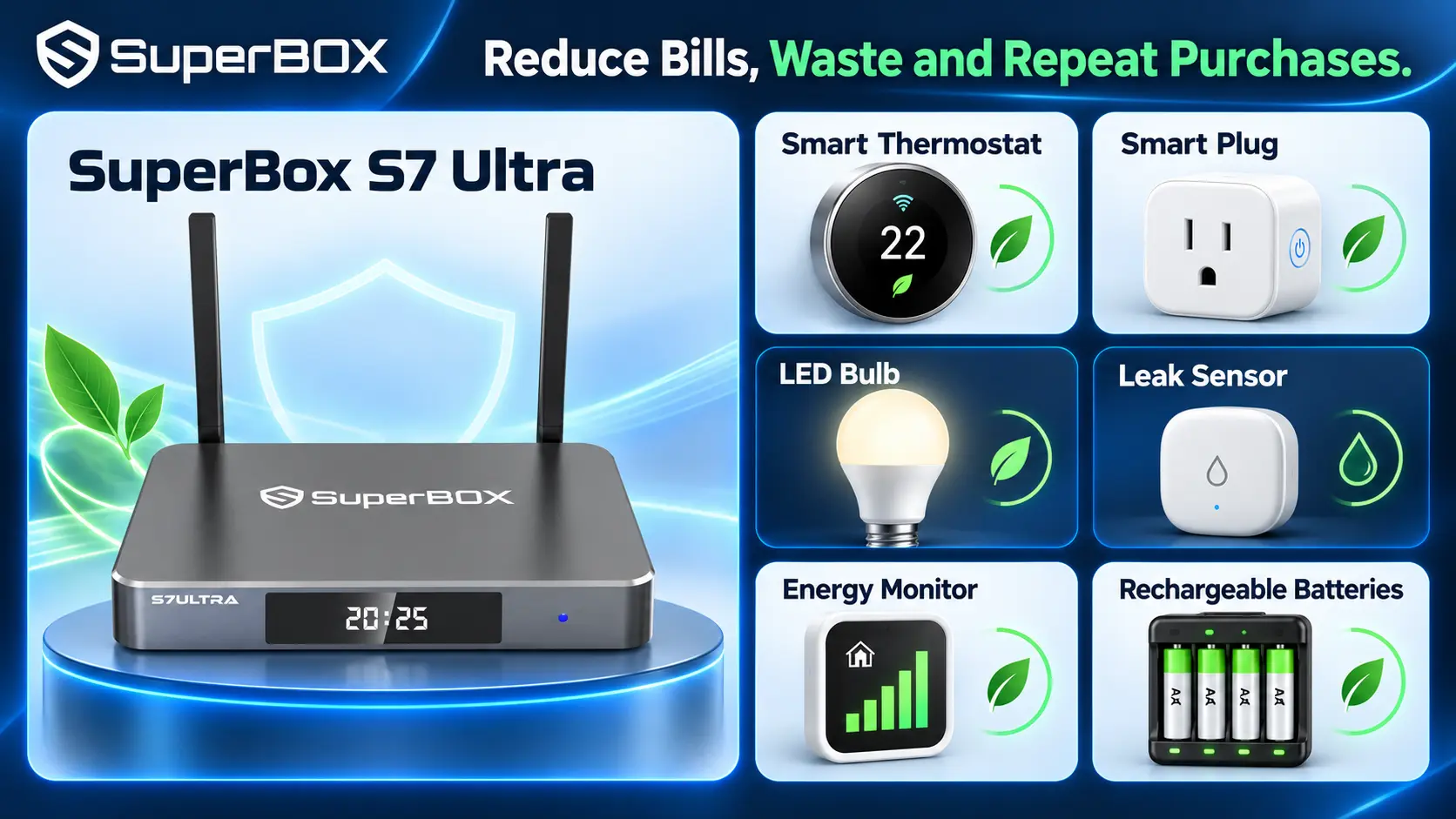
Cutting the cable cord does not have to be an intimidating or disruptive experience. By following a structured, phased approach, any household can smoothly transition away from expensive cable contracts without sacrificing access to their favorite news broadcasts, live sports tournaments, or prime-time dramas.
Use our proven five-phase cord-cutting transition roadmap below to maximize your household savings while avoiding common technical and contractual pitfalls:
The Long-Term Economic and Lifestyle Benefits of Cord Cutting
While the immediate financial relief of saving one hundred fifty to two hundred dollars every month is the primary motivator for cord cutters, the lifestyle benefits of modern streaming hardware are equally transformative. Traditional pay-TV tethered viewers to rigid programming schedules and restricted viewing to the room where the cable box was physically wired.
With a portable, standalone SuperBox console, your entire entertainment ecosystem becomes flexible and mobile. You can effortlessly move your compact SuperBox from your primary living room to a backyard patio screen during weekend barbecues, take it along on family vacation trips, or set it up in an RV or cabin with standard Wi-Fi access.
Additionally, advanced features like 7-Day Time Shift Playback eliminate the stress of missing critical live moments. Whether you work late shifts, commute through heavy evening traffic, or have family members who prefer watching different programs at the same time, live playback allows you to catch up on the past week of broadcasts whenever it fits your personal routine.
Frequently Asked Questions About Cord Cutting in 2026
Why are so many households cutting the cord in 2026?
Households are cutting the cord in record numbers to escape inflated monthly cable bills, rising broadcast surcharges, and costly equipment rental fees while gaining on-demand streaming flexibility.
How much money can an average family save by cutting the cord?
The average family saves between one thousand five hundred and two thousand four hundred dollars annually by eliminating traditional cable TV bundles and set-top box rental charges.
What is streaming fatigue and why is it growing?
Streaming fatigue occurs when consumers become overwhelmed by managing multiple paid subscriptions, rising monthly app fees, scattered content libraries, and confusing separate user interfaces.
How do cord cutters watch live regional and national sports in 2026?
Cord cutters watch live sports through dedicated live TV apps like Blue TV on SuperBox, which unifies national sports networks and live game feeds into one convenient electronic program guide.
Does SuperBox require any monthly subscription fees?
SuperBox consoles require zero monthly fees and zero recurring subscription charges after the one-time purchase of authorized hardware.
Does SuperBox hardware come with preloaded streaming applications?
SuperBox hardware is shipped clean without pre-installed streaming apps out of the box, allowing users to download official utilities like Blue TV and Playback directly from the App Store in seconds.
What internet speed is recommended for a seamless cord-cutting setup?
A stable broadband connection of at least twenty-five to fifty megabits per second download speed is recommended for smooth, buffer-free 4K Ultra High Definition streaming.
What is the difference between SuperBox S8 series and S7 series models?
The flagship SuperBox S8 series features updated processors, enhanced Wi-Fi 6 wireless reception, and Android 12 optimizations, while both S8 and S7 series include convenient backlit voice remotes.
Do SuperBox remotes include backlit keys for nighttime viewing?
Yes, all authentic SuperBox S8 series and SuperBox S7 series models include full backlit voice remotes with illuminated keys for easy navigation in dark rooms.
Is an outdoor HD antenna still necessary when using a SuperBox TV box?
An outdoor antenna is not necessary because the SuperBox streams live national networks and regional feeds over your high-speed internet connection without over-the-air antenna cables.
Final Thought
The cord-cutting revolution in 2026 represents a clear shift toward consumer empowerment. For decades, traditional cable television operators dictated what you could watch, when you could watch it, and how much you had to pay every month in mandatory fees. Today, reliable high-speed broadband and high-performance Android TV hardware give every household the power to enjoy premium live entertainment on their own terms.
Whether your priority is saving thousands of dollars on household utility bills, following your favorite sports teams without blackouts, or simplifying your home television setup with a single responsive remote control, moving to a standalone hardware model is the definitive solution. At SuperBox TV Box Store, we remain committed to delivering authentic hardware, transparent pricing, and dependable twenty-four-seven customer support to ensure your cord-cutting journey is smooth, rewarding, and permanently cost-free.
The article was updated on:
